Squash Pests: Essential Tips to Protect Your Garden and Boost Your Harvest
When it comes to growing squash, nothing’s more frustrating than discovering tiny pests have turned your garden into their personal buffet. These unwelcome guests can wreak havoc on crops, leaving gardeners feeling like they’re in a battle against an army of miniature invaders. But fear not! Understanding these pests is the first step in reclaiming your garden.
Squash Pests
Squash pests typically include aphids, cucumber beetles, and squash bugs. Each type presents unique challenges for gardeners aiming to maintain healthy crops. Aphids tend to cluster on foliage, sucking sap and weakening plants. Cucumber beetles damage stems and leaves while also spreading diseases like bacterial wilt. Squash bugs, known for their rapid reproduction, can severely affect plants by sucking vital fluids, causing wilting and eventual death.
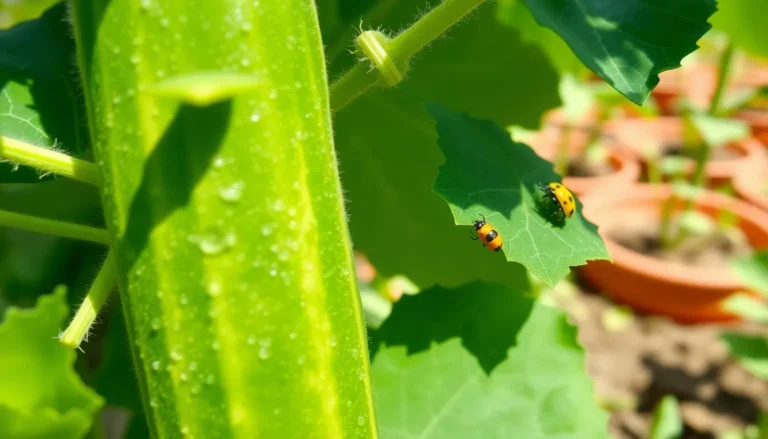
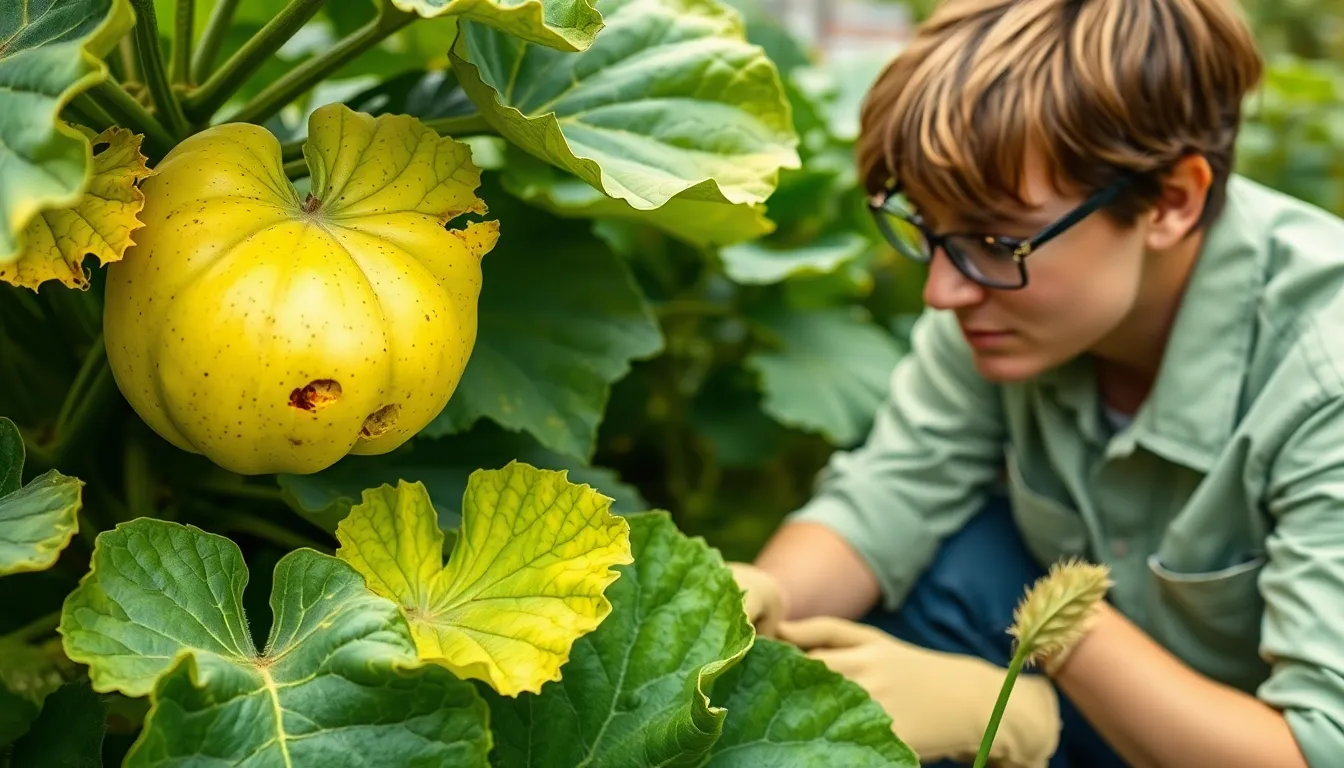
Numerous symptoms indicate pest infestations. Yellowing leaves, stunted growth, and wilting are common signs. Identifying these issues early can prevent larger outbreaks. Observing leafy growth and undersides of leaves provides clues about which pests might be present. Beneficial insects, such as ladybugs and lacewings, help control aphid populations naturally.
Effective management techniques vary. Cultural practices, such as crop rotation and intercropping, reduce pest populations. Implementing barriers like row covers can protect crops during vulnerable stages. Organic pesticides offer alternative solutions for heavier infestations, with products like neem oil showing effectiveness against many common squash pests.
Monitoring the garden regularly supports proactive pest management. Inspecting plants at least once a week helps catch infestations early. Taking immediate action, whether through cultural methods or pesticides, assists in maintaining squash health. Documenting pest activity and methods used informs future strategies, ensuring a more resilient garden.
Common Types of Squash Pests

Identifying common squash pests ensures effective management and helps protect crops. Various pest types, including insects, fungi, and viruses, pose distinctive threats to squash plants.
Insect Pests
Insect pests frequently attack squash crops, causing significant damage. Aphids target young leaves, leading to yellowing and stunted growth. Cucumber beetles feed on stems and foliage, spreading bacterial wilt, which can severely affect yield. Squash bugs suck sap from plants, often causing wilting and eventual death. Effective monitoring can help catch infestations early, facilitating prompt treatment with insecticidal soaps or organic solutions.
Fungal Pests
Fungal pests can devastate squash plants, particularly under humid conditions. Powdery mildew appears as white, powdery spots on leaves, reducing photosynthesis and overall plant vitality. Fusarium wilt causes yellowing and wilting, ultimately leading to plant demise. Managing moisture levels and ensuring proper air circulation within plantings assist in controlling these fungal threats. Implementing resistant varieties also contributes to healthier crops.
Viral Pests
Viral pests undermine squash health, impacting their growth and productivity. Cucumber mosaic virus and squash mosaic virus exhibit symptoms like mottled leaves and reduced fruit quality. Infection often spreads through aphids, making early intervention crucial. Removing infected plants can limit virus propagation, while regular inspections help maintain a healthy garden environment. Employing crop rotation and resistant varieties enhances overall pest resilience.
Identifying Squash Pests
Recognizing squash pests is crucial for maintaining healthy plants. Early detection aids in minimizing damage and enhances crop yields.
Symptoms of Infestation
Common signs of infestations include yellowing leaves, which often indicate stress caused by pests. Stunted growth frequently emerges, reducing overall plant vitality. Wilting occurs due to damaged root systems or disrupted nutrient uptake. Additionally, visible insects, such as aphids on leaf undersides, signal potential issues. Furthermore, holes in leaves from beetle activity can also highlight an infestation. Recognizing these symptoms early allows gardeners to take prompt action.
Tools for Identification
Utilizing a magnifying glass helps examine plants for small pests. Sticky traps capture flying insects, providing visual evidence of populations. A pest field guide offers insight into various pests and their characteristics. Monitoring plants regularly keeps infestations from becoming overwhelming. A smartphone app can assist in identifying insects through photographs, making it easier to track different species. Maintaining a diary of pest observations helps inform future management strategies.
Preventive Measures Against Squash Pests
Effective strategies exist for preventing pests that threaten squash plants. Implementing these measures can significantly enhance crop health and yield.
Cultural Controls
Cultural controls encompass various practices that reduce pest prevalence. Crop rotation plays a vital role in disrupting pest life cycles, making it harder for them to establish. Maintaining healthy soil through compost addition provides nutrients that bolster plant resilience. Also, surrounding squash plants with companion crops like marigolds helps deter pests naturally. This strategy attracts beneficial insects that contribute to pest control. Regular garden cleanliness prevents pest infestations by eliminating debris or infected plants. Additionally, proper watering techniques ensure plants aren’t weakened by stress, fostering strong growth that can withstand pest attacks.
Chemical Controls
Chemical controls involve using pesticides to manage squash pests effectively. Organic pesticides, such as neem oil and insecticidal soaps, target specific pests while posing minimal risk to beneficial insects. Applied according to label instructions, these chemicals can minimize crop damage. Timing pesticide applications becomes crucial; early morning or late afternoon ensures that beneficial insects remain active. Spot treatments can provide immediate results, addressing localized infestations without harming the broader ecosystem. Monitoring pest levels after treatment helps assess effectiveness and determine future interventions. Regularly rotating the chemical types contributes to pest resistance management, keeping pests at bay and protecting squash crops.
Management Strategies for Squash Pests
Effective management strategies are crucial for maintaining healthy squash crops. Multiple approaches exist, ranging from integrated pest management to organic solutions.
Integrated Pest Management
Integrated pest management (IPM) focuses on combining different strategies to control squash pests. Combining biological control methods with cultural practices enhances pest management. For instance, introducing beneficial insects like ladybugs reduces aphid populations naturally. Regularly monitoring pest activity allows gardeners to identify infestations early. Utilizing physical barriers, such as row covers, helps protect plants from pests while allowing light to penetrate. Rotating crops prevents the buildup of pest populations over time. Documenting pest occurrences aids in developing a targeted pest management plan.
Organic Solutions
Organic solutions offer environmentally friendly methods to combat squash pests. Neem oil serves as a natural pesticide that disrupts pest feeding patterns. Additionally, insecticidal soap effectively targets soft-bodied insects without harming beneficial creatures. Utilizing companion planting, such as marigolds, deters harmful pests while attracting pollinators. Maintaining garden cleanliness reduces potential pest habitats significantly. Hand-picking larger pests provides immediate control of infestations. Ensuring proper watering techniques promotes strong plant health, making them more resilient to pest attacks. Emphasizing these organic methods fosters healthier squash crops while protecting the ecosystem.
Conclusion
Managing squash pests requires diligence and a proactive approach. By understanding the specific threats posed by insects fungi and viruses gardeners can take effective measures to protect their crops. Implementing integrated pest management strategies and utilizing organic solutions not only helps in controlling pest populations but also promotes a healthier garden ecosystem.
Regular monitoring and early detection are vital in preventing infestations from escalating. With the right knowledge and tools gardeners can successfully reclaim their squash plants ensuring a bountiful harvest. Staying informed and adapting techniques to local conditions will lead to thriving squash crops season after season.